


Editorial Office ANNnews
1 June 2026
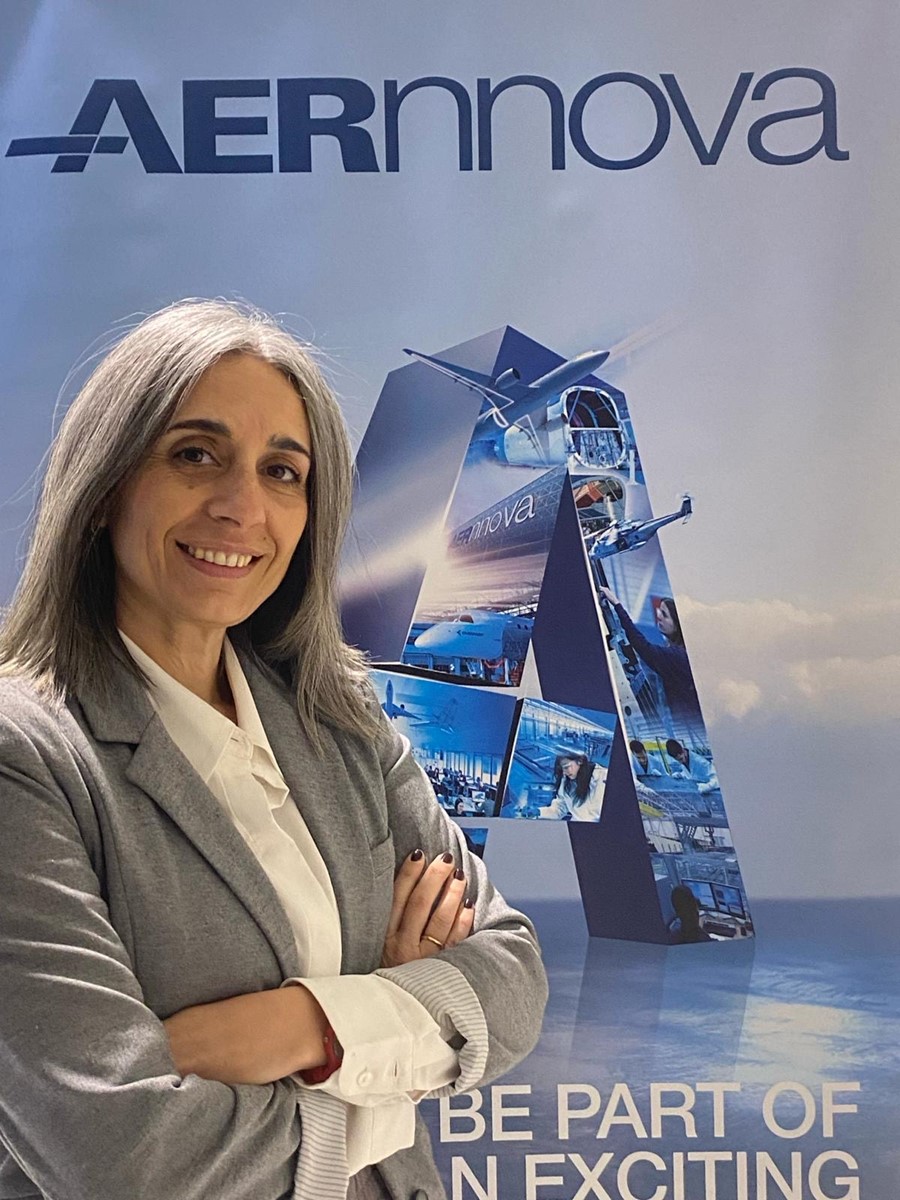
Aernnova has recently been recognised at the ZeroBidean Awards for its low accident rates and its commitment to H&S; the organisation has become a benchmark in the field of preventive culture and H&S.
We interviewed Laura Vélez, Director of H&S at the Aernnova Group, to explore our prevention model in greater depth and learn about the lessons we have learnt and best practices.
ANNnews: How have we managed to integrate H&S management into Aernnova’s overall strategy?
Laura Vélez: We have achieved this by involving the entire organisational hierarchy and recognising that H&S is not merely a regulatory obligation, but an essential part of our culture and the way we work.
Furthermore, this is about people. When an organisation puts people at the centre, prevention ceases to be seen as a requirement and becomes a shared commitment
Within the prevention management ladder, we are at the generative level, the highest on the ladder, and this is the level achieved by Aernnova. At this stage, health and safety are fully integrated into the organisation’s strategy and decision-making. Prevention is a natural part of the way we work, and there is a genuine, shared commitment across the entire company structure. We seek visible leadership. An example of this is the “Safety Walks” that Aernnova is carrying out through tours of the Group’s industrial companies, which involve observing the actions required to complete daily tasks and identifying ways to make the work safer, whilst detecting potential hazards in the environment that could lead to avoidable accidents or incidents. These “Safety Walks” are carried out by the entire chain of command, starting with the the CEO.
ANNnews: In this model, what role does senior management play, and how is that commitment conveyed throughout the organisation?
Laura Vélez: Senior management acts as the driving force and primary champion of cultural change. The extent of their genuine involvement determines where the company stands in this process. To raise awareness across the rest of the organisation, key factors include communication, setting an example, and perseverance.
It is also important to turn people into preventive leaders, role models in occupational health and safety, in their day-to-day work. Another aspect is monitoring their performance using Key Performance Indicators (KPIs), which allow us to measure not only results but also behaviours and levels of engagement.
Within the framework of the preventive culture promoted through the “Always Safe” project, we continue to make progress thanks to the commitment and involvement of everyone who forms part of the company.
ANNnews: What message would you like to convey?
I encourage you to continue playing an active role in our safety culture, maintaining the commitment, responsibility and involvement that enable us to move forward together every day.
Active participation, a responsible attitude and a constant drive for improvement remain essential to creating increasingly safe working environments.
Let’s aim for another “1,000 days without workplace accidents”
This is a challenge that depends on all of us, and it shows that, by working together, we can continue to achieve great results. Let’s keep fostering this positive attitude and shared commitment so that we can continue to make safety a priority in our daily lives.
